
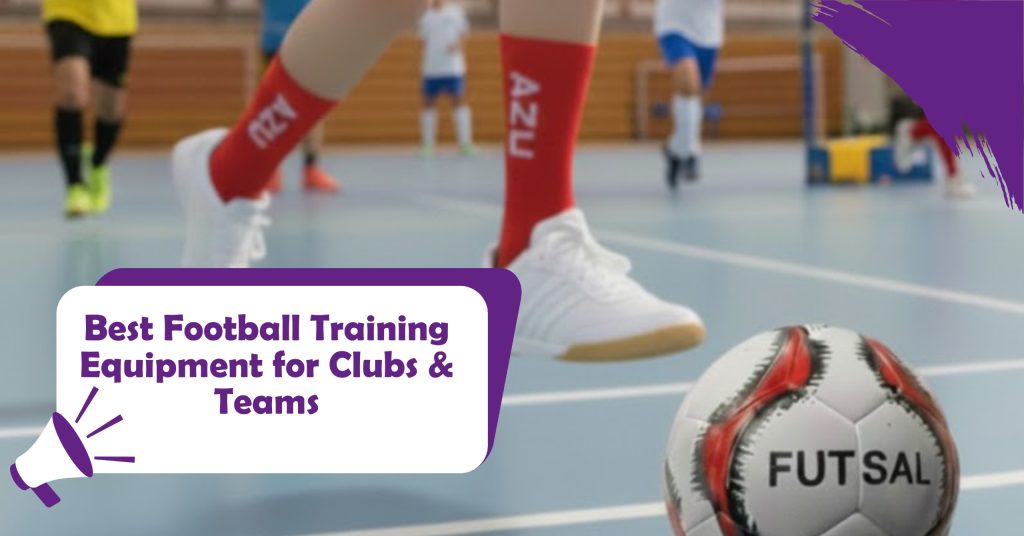
Best Football Training Equipment for Clubs & Teams
Modern football training has evolved far beyond cones and casual drills. Today, clubs and teams at every level, from youth academies to semi-professional and professional squads, rely on structured training equipment to improve performance, reduce injuries, and develop players consistently. Choosing the best football training equipment is not about buying everything available; it’s about selecting tools that support real match situations and long-term player development.
We’ll break down the most effective football training equipment for clubs and teams, explain why each category matters, and show how smart equipment choices can directly improve training quality and match results.
Why Football Training Equipment Matters for Clubs & Teams
Football is a game of movement, decision-making, and physical readiness. Training equipment allows coaches to replicate match conditions in a controlled environment, making sessions more efficient and purposeful.
For clubs and teams, structured equipment helps:
- Standardise training across different age groups
- Improve technical skills like passing, shooting, and ball control
- Develop speed, agility, and coordination
- Reduce the risk of preventable injuries
- Maximise limited training time
Without proper equipment, training often becomes repetitive and less measurable, making it harder to track player progress.
Essential Football Training Equipment for Clubs & Teams
Rather than overwhelming training sessions with excessive tools, clubs should focus on equipment that directly impacts match performance.
Football: The Foundation of Every Training Session
Football is the most essential piece of training equipment. Clubs typically need a mix of match-quality balls and durable training balls to handle daily sessions.
Consistent ball quality improves:
- Passing accuracy
- First touch
- Shooting technique
- Game realism during drills
Training with reliable footballs also helps players adapt better during competitive matches. Many clubs prefer sourcing durable, match-standard footballs from specialised football suppliers such as AZU Sports, which focuses on football-specific gear designed for training and match preparation.
Cones & Training Markers
Cones may seem basic, but they are critical for structured drills. Coaches use them to define spaces, create passing lanes, and simulate defensive pressure.
Cones are commonly used for:
- Positional awareness drills
- Small-sided games
- Pressing and transition exercises
- Warm-up routines
Their simplicity makes them one of the most versatile tools in football training.
Agility Ladders & Speed Hurdles
Modern football demands quick footwork and explosive movement. Agility ladders and hurdles help improve coordination, balance, and reaction speed.
These tools are especially effective for:
- Improving acceleration
- Enhancing foot speed
- Developing body control
- Reducing injury risk through better movement mechanics
For youth teams, they support foundational athletic development, while senior teams use them to refine speed and agility.
Grip Socks: Small Detail, Big Performance Impact
Foot stability inside the boot plays a significant role in player performance. Grip socks have become a standard part of professional football training because they help reduce foot slippage during rapid movements.
Benefits of grip socks include:
- Improved balance and traction
- Better control during sudden direction changes
- Reduced risk of blisters
- Increased comfort during long sessions
Many clubs now integrate grip socks into their regular training kit. Football-focused retailers like AZU Sports provide grip socks designed specifically for football training, making them a practical addition for both amateur and professional teams.
Resistance Bands & Strength Tools
Strength and conditioning are integral to modern football. Resistance bands allow teams to perform strength work without heavy gym equipment.
They are widely used for:
- Warm-ups and activation exercises
- Injury prevention routines
- Strengthening stabilizing muscles
- Rehabilitation and recovery sessions
These tools are especially valuable for teams with limited access to full gym facilities.
Training Goals & Target Nets
Shooting accuracy separates average players from consistent goal scorers. Target nets and portable goals allow coaches to design finishing drills that focus on precision rather than power alone.
These tools help players:
- Improve shot placement
- Develop composure in front of goal
- Practice finishing under pressure
They are particularly effective during small-group or position-specific training sessions.
Shin Guards: Essential for Training Safety
Shin guards are not just match-day equipment. During intense training sessions, especially those involving tackles or close-contact drills, shin protection is essential.
Quality shin guards help:
- Reduce injury risk
- Build player confidence during challenges
- Ensure safety compliance during competitive training
Clubs often provide or recommend standardised shin guards to maintain consistency and safety. Suppliers like AZU Sports, which specialise in football gear such as shin guards, make it easier for teams to source reliable protective equipment.
Training Equipment Based on Team Level
The type of football training equipment a club needs depends on its level and objectives.
Youth teams focus on fundamental skills, coordination, and enjoyment. Equipment like cones, agility ladders, lightweight footballs, and grip socks helps young players build confidence and technique.
Amateur and semi-professional teams require equipment that balances durability and performance. Consistent football quality, resistance tools, and structured training aids become more important at this stage.
Professional clubs and academies invest in precision-based equipment. Match-quality footballs, advanced agility tools, specialized grip socks, and recovery equipment are commonly integrated into daily sessions.
How the Right Equipment Improves Team Performance
The connection between training equipment and match performance is well documented in sports science. Structured training tools allow coaches to control variables and repeat drills with accuracy.
Proper equipment contributes to:
- Faster skill acquisition
- Improved tactical understanding
- Better physical conditioning
- Reduced training-related injuries
Over time, this leads to more consistent performances and improved results on match day.
What to Consider Before Buying Football Training Equipment
Before purchasing equipment, clubs should assess their specific needs rather than following trends.
Key considerations include:
- Durability for frequent use
- Safety standards and player comfort
- Suitability for squad size
- Storage and portability
- Long-term cost efficiency
Buying football-specific equipment from dedicated suppliers ensures compatibility with real training demands rather than generic sports use.
Maintaining & Organizing Training Equipment
Well-maintained equipment lasts longer and performs better. Clubs should regularly inspect footballs for pressure consistency, replace worn grip socks, and check protective gear for damage.
Simple habits like proper storage, cleaning after sessions, and routine checks can significantly extend equipment lifespan and reduce replacement costs.
Final Thoughts
The best football training equipment for clubs and teams is not about quantity, it’s about purpose. When equipment supports realistic training scenarios, player development becomes more measurable and effective.By investing in essential tools like quality footballs, grip socks, shin guards, and structured training aids, and sourcing them from football-focused suppliers such as AZU Sports, clubs can create training environments that genuinely support performance, safety, and long-term growth.
FAQs:
What is the most important football training equipment for teams?
Footballs are the most critical, followed closely by cones, grip socks, and protective gear like shin guards.
Do grip socks really improve football performance?
Yes. Grip socks improve foot stability inside the boot, which enhances balance, agility, and comfort during training and matches.
How many footballs should a club have for training?
A good rule is one ball per player, plus extras for drills and warm-ups.
Are shin guards necessary during training?
For competitive or contact-based drills, shin guards are strongly recommended to reduce injury risk.
Can small clubs train effectively without expensive equipment?
Yes. Consistent footballs, cones, and basic agility tools are enough for structured, effective training.
How often should football training equipment be replaced?
This depends on usage frequency, but regular inspection helps identify when replacements are needed.