
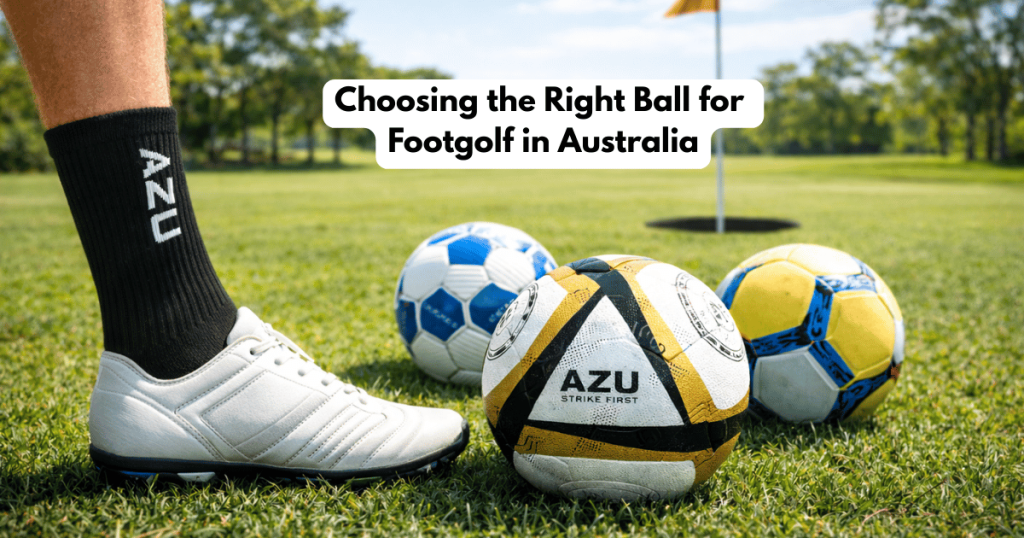
Choosing the Right Ball for Footgolf in Australia
Footgolf is one of the fastest-growing sports worldwide, combining the skill of soccer with the precision of golf. Played on a traditional golf course with a soccer ball, the goal of footgolf is simple: use your feet to get the ball into the hole in the least number of kicks. But what makes a footgolf ball different from a regular soccer ball, and how do you choose the right one for your game, especially in Australia? Let’s dive into the unique features of footgolf balls and how to pick the best one for your needs.
What Is a Footgolf Ball?
A footgolf ball is designed specifically for the sport of footgolf, where players use their feet (and occasionally their heads) to propel the ball across the golf course and into the hole. Unlike soccer, where players use hands for control, footgolf requires precision kicks, making the choice of ball crucial for performance.
The footgolf ball looks similar to a regular soccer ball but differs in key aspects such as weight, size, and material to make it ideal for sand, grass, or turf conditions commonly found on golf courses.
Why Footgolf Balls Are Different From Regular Footballs
The differences between footgolf balls and regular soccer balls go beyond appearance. While they may seem similar at first glance, the design specifications are geared toward optimal performance in footgolf. Here’s a closer look at the key differences:
1. Size and Weight
A standard footgolf ball is generally slightly heavier than a regular soccer ball. This added weight helps the ball roll better and stay stable during play on grass or turf. Regular footballs are designed for bouncing and higher-impact kicks on harder surfaces, while footgolf balls are made to roll smoothly over golf course grass.
2. Material
Footgolf balls are made from durable synthetic leather or similar materials designed to withstand outdoor conditions, including exposure to the sun, rain, and rough terrain. While regular footballs are optimised for frequent kicks, footgolf balls are engineered to provide better aerodynamics and low bounce for more predictable movement.
3. Bounce and Control
Footgolf balls are made to provide less bounce than soccer balls. The goal is to have a ball that rolls consistently rather than bouncing unpredictably. This is crucial when navigating a golf course, where a ball’s bounce can make a significant difference in where it lands.
Key Features to Look for in a Footgolf Ball
When choosing a footgolf ball for your game, there are a few features that are especially important. Here’s what to look for to ensure you get the best performance out of your ball:
- Size: Footgolf balls are usually size 5, the same size as a regular soccer ball, which allows for easy control during play.
- Weight: A footgolf ball should be heavier than a standard soccer ball, typically weighing around 450-500 grams, to ensure smoother rolling on the course.
- Material: Look for synthetic leather or durable PVC material that can handle the wear and tear of outdoor conditions, especially grass and sand.
- Visibility: Footgolf balls come in bright colors like orange or yellow to ensure they are visible against grass, especially when playing in open spaces or distant holes.
Choosing the Right Footgolf Ball for Australian Courses
Australia’s golf courses offer unique challenges, from sunny conditions to wide open fairways. When selecting a footgolf ball for play in Australia, it’s essential to consider the course conditions.
- Dry vs Wet Conditions: If you’re playing in drier regions or during summer months, look for a ball that performs well in dry grass conditions. In contrast, for coastal or rainy areas, ensure the ball offers better traction and rolling on wet surfaces.
- Golf Course Terrain: Australian golf courses, especially those near coastal regions, may have sandy areas or different turf quality, which affects how the ball moves. Make sure you choose a ball designed to roll smoothly across varying terrains.
Footgolf Balls vs Regular Soccer Balls: What’s the Difference?
It’s tempting to use a regular soccer ball for footgolf, but here’s why a footgolf ball is a better choice:
- Regular Soccer Balls: Designed for hard, flat surfaces like grass and turf, soccer balls are made to bounce and are not built for consistent rolling.
- Footgolf Balls: Specifically engineered to roll smoothly on golf course grass and sand. They are also heavier to provide more control during play, unlike regular soccer balls, which are lighter and meant for greater air travel.
Where to Buy Footgolf Balls in Australia
Looking to buy your footgolf ball in Australia? Azusports offers footgolf balls that are perfectly suited for Australian conditions. Whether you’re a beginner or a seasoned footgolf player, we have the right ball for you.
Conclusion
Choosing the right footgolf ball is crucial for performance on the course. While regular soccer balls might seem like a convenient option, they simply don’t offer the same level of control, stability, and predictability that footgolf balls provide. By understanding the unique features of footgolf balls, including their weight, material, and bounce control, you’ll be better equipped to enhance your game and enjoy this exciting sport to its fullest.
At Azusports, we make it easy to find the perfect footgolf ball for your needs, offering high-quality, durable balls suitable for Australian courses. Shop now and take your footgolf game to the next level!
FAQs
Can I use a regular soccer ball for footgolf?
While a regular soccer ball can be used in a pinch, it’s not ideal for footgolf. Footgolf balls are specifically designed for rolling, making them more suitable for play on golf courses.
What size is a footgolf ball?
Footgolf balls are typically size 5, the same size as a standard soccer ball, ensuring ease of control during play.
How does a footgolf ball differ from a soccer ball?
Footgolf balls are heavier, less bouncy, and designed to roll smoothly on grass and sand, while soccer balls are lighter and made for higher-impact kicks and harder surfaces.
What color are footgolf balls?
Footgolf balls are available in bright colours, such as orange or yellow, to ensure they are visible against the grass and sand during play.