
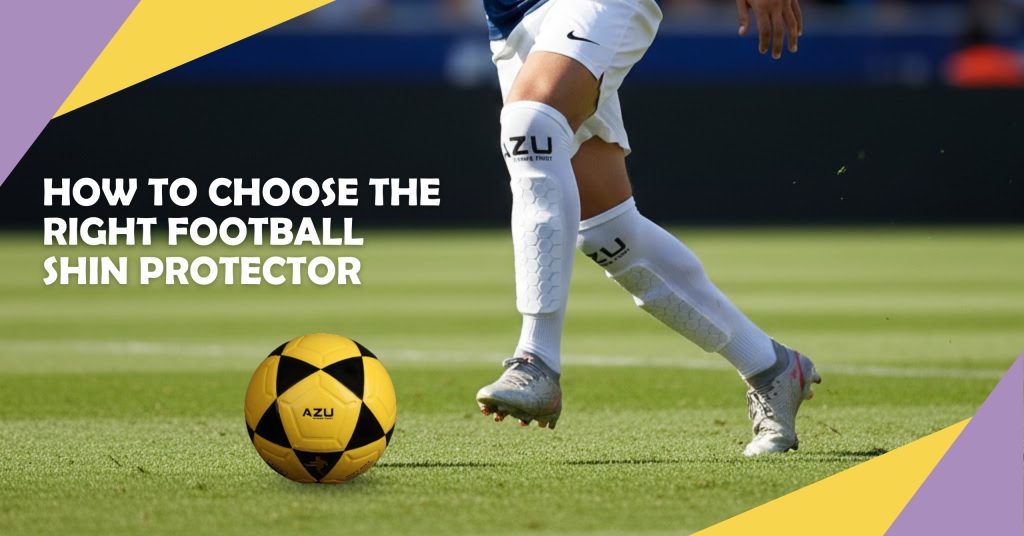
How to Choose the Right Football Shin Protectors (Shin Guards)
If you’re Googling how to choose shin guards right before training, you’re probably dealing with the same problem everyone hits: too many options, not enough certainty. The right football shin protectors should feel forgettable once you start playing until they save you from a nasty stud impact. We’ll show you how to choose football shin guards (soccer shin guards), if that’s the term you use, by focusing on fit, coverage, and real-world tradeoffs.
Start with the rules, because “legal” matters
In organised matches, shin guards are compulsory, and they’re expected to be made of a suitable material, be an appropriate size to provide reasonable protection, and be covered by the socks. That’s not just paperwork referees can and do check, and you don’t want to lose minutes arguing on the touchline.
A simple way to remember it is this: if your shin pads don’t look like they’d protect anything, you’re betting your tibia against the Laws of the Game.
Shin guard size guide: get the coverage right first
Most sizing problems come from buying a guard that’s “technically your size,” but wrong for your leg length and playing style. A solid baseline is coverage from just above the ankle to a couple of inches below the knee, which keeps you protected without interfering with your joints.
Use a shin guard size guide or shin guard height chart to narrow down options, then confirm the actual placement on your leg. When in doubt, especially for youth vs adult sizing, go by how it sits on the shin, not the number on the label.
Quick sizing check (works in a store or at home):
- Bottom edge sits just above the ankle bend when you flex your foot
- Top edge finishes a couple inches below the knee so it doesn’t bump the kneecap
- You can run and squat without the guard pinching or stabbing your skin
That checklist answers the most common question: what size shin guards do I need, without turning it into a math exam.
How should shin guards fit during actual play?
People ask, How should shin guards fit, and the best answer is: they should stay put when you move like you actually play. “Comfort and fit” isn’t a luxury feature; if the guard rotates, it stops protecting the part that gets hit most often.
Aim for a feel that’s snug but not too tight, tight enough that it won’t slide, loose enough that it won’t cut circulation or distract you.
Do this 30-second movement test:
- Sprint 5–10 steps, then stop hard
- Make two sharp cuts (left/right)
- Drop into a quick squat and stand back up
If it shifts or twists after that, it’ll be worse at minute 70 when your socks are damp and your legs are tired.
Measure shin length for shin guards (the practical way)
If you want a cleaner fit, measure shin length for shin guards before buying. Measure from just above the ankle area to a couple inches below the kneecap, then choose a size that matches that coverage rather than chasing “smallest possible.”
This is where brand charts help, but they’re only a starting point. Even Nike notes the coverage target (ankle to below the knee) and then uses height to estimate sizing, which is useful—but your leg shape still gets the final vote.
Pick the style based on tradeoffs, not trends
Choosing between slip-in shin guards, strapped shin guards, and ankle shin guards (shin guards with ankle protection) is really about your tolerance for bulk versus your need for stability. The more minimalist you go, the more you’re relying on socks and sleeves to keep everything centered.
A good “reality filter” is to think in terms of a mobility vs protection tradeoff. A winger who hates restrictions may lean lightweight, while a fullback who gets clattered might happily wear more coverage.
Common setups that work well:
- Slip-in shin guards + shin guard sleeves / compression sleeves for a clean feel and decent stability
- Strapped shin guards if you’re tired of readjusting every few minutes
- Ankle shin guards if you take frequent low contact, especially in crowded midfield or defensive scrambles
The best choice is the one that stays in position, because stable placement is what turns “impact protection” into real protection.
Materials, impact protection, and what EN 13061 is really telling you
At a basic level, shin guards protect you by spreading force and absorbing energy, especially against stud impact protection, where a small contact area can cause a lot of pain. The EN 13061 standard is often referenced because it tests shin guards for stud and blunt impacts and also considers comfort and fit, which is exactly what you care about in real matches. You don’t need to obsess over certifications, but you should be skeptical of anything that feels like thin plastic with almost no padding.
Quality signals worth noticing:
- A shell that doesn’t fold easily when you press it
- Padding that rebounds instead of staying “crushed”
- A shape that matches your shin curve without leaving gaps
Those details matter more than flashy graphics because they decide whether you get bruises or walk away fine.
Local and industry-specific insight: surface and heat change the “right” choice
On hard, dusty grounds and uneven pitches, shin guards tend to slide more and impacts often happen when your foot is planted, which can feel sharper. On turf, you may get awkward contact angles and more friction, so stability becomes even more important.
What usually helps by surface:
- Hard ground: slightly more coverage + strong stability (straps or good sleeves)
- Turf: rotation control (sleeves or secure straps) so the guard doesn’t drift
In hot climates, bulky ankle coverage can feel miserable, so many players go for standard guards with sleeves instead of full ankle models.
Comparison breakdown: which option fits which player?
If you want a fast decision, match the style to your role and habits. This isn’t about “best,” it’s about what you’ll actually wear consistently.
- Lightweight shin guards suit players who prioritize speed and freedom, but they demand good sleeve compatibility and a stable sock setup.
- Maximum protection shin guards suit defenders, shot-blockers, and anyone who regularly takes contact, but they can feel hotter and heavier.
- Ankle shin guards help if you’re constantly getting clipped low, but they’re often the first thing players abandon in warm weather.
A simple position-based choice rule: if you’re usually the one initiating contact, go a bit bigger; if you’re usually evading contact, go stable and streamlined.
Conclusion
Shin guards only work when they stay where they’re supposed to.Choose coverage first, then refine the size with real movement tests. Pick slip-in, strap, or ankle styles based on comfort and stability not trends. Prioritize impact protection and stud impact protection over “minimal” aesthetics. When you’re unsure, choose the option you’ll wear every match without fiddling.
Your shins don’t get bonus points for bravery.
If you share your height, position, and whether you play mostly on grass, turf, or hard ground, I’ll tell you the most practical style and sizing approach in a few lines, a clear recommendation.
FAQs
1) Are shin guards mandatory in football?
Yes. Under the Laws of the Game, shin guards are compulsory equipment.
2) Do shin guards have to be covered by socks?
Yes, shin guards must be covered by the socks, so plan your sock/sleeve setup accordingly.
3) What size shin guards do I need?
Start with coverage from just above the ankle to a couple inches below the knee, then confirm they don’t rotate during sprinting and cutting.
4) How should shin guards fit?
They should be snug but not too tight, sit flush to your shin, and stay centered through sharp direction changes.
5) How do I measure shin length for shin guards?
Measure from just above the ankle area to a couple inches below the kneecap, then choose a size that matches that coverage rather than the smallest possible.
6) Are mini shin pads legal?
Sometimes they pass checks because the laws don’t specify a strict minimum size, but they still must provide reasonable protection and be worn under the socks—so the safety tradeoff is real.
7) Slip-in shin guards vs strapped shin guards: which is better?
Slip-in can feel freer (especially with compression sleeves), while straps often win for stability. Choose the one that doesn’t shift after your movement test.